
Divorce Guidance
5 min read
Everything You Need to Know About the Mutual Divorce Process
Understand the mutual divorce process in India, how it works, when couples consider it, and what to expect during a mutual consent divorce.
Browse 5 articles related to Mutual Divorce
Understand the mutual divorce process in India, how it works, when couples consider it, and what to expect during a mutual consent divorce.

Not sure when to hire a divorce lawyer? Learn the key signs and situations when legal support can help make the divorce process smoother in India.
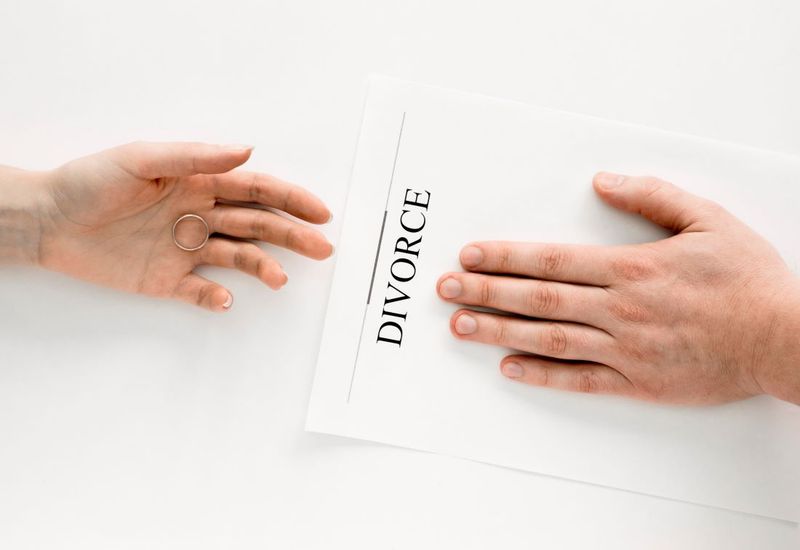
Divorce is undoubtedly one of the most challenging experiences anyone can face. In the midst of emotional turmoil, comprehending the legal intricacies becomes paramount, particularly when considering a mutual divorce.

Divorce mediation is a method of dispute resolution that encourages communication and cooperation between separating couples has been gaining popularity in India in recent years. Divorce can be a painful and emotionally charged process often involving intense legal battles and disputes. In such a situation divorce mediation emerges as an alternative and peaceful means of resolving marital conflicts.

Divorce can be a challenging and emotionally taxing experience for any couple. In many cases, couples opt for mutual divorce, a process that can significantly reduce the emotional and financial burden on both parties involved. Mutual divorce is a legal process that allows couples to end their marriage amicably, without the need for protracted court battles. In this process, a crucial document plays a pivotal role – the Memorandum of Understanding (MOU). This blog explores what an MOU is, why it’s vital in mutual divorce cases, and the significance it holds in ensuring a smooth and fair separation.
Our experienced family law team is here to guide you through divorce, custody, alimony, and related legal matters with clarity, care, and confidence.
Connect with our Experts Now